抖音成人

Evaluating Public Schools

This section provides tools to aid in finding the best public school option for your child. Compare private and public schools, explore school zoning issues, and delve into the public school grading and ranking system. Find information on the safest schools and what they are doing right.

View the most popular articles in Evaluating Public Schools:

School Vouchers: Updated Pros and Cons (2025 Review)

Updated
|
School Vouchers: Updated Pros and Cons (2025 Review)
Comprehensive 2025 analysis of school vouchers, weighing benefits and challenges for families, funding, outcomes, and policy directions.

School Vouchers: Pros and Cons (2025 Update)

School vouchers remain one of the most polarizing education policy debates in the United States. Advocates describe them as a powerful tool for expanding parental choice and improving educational opportunities. Critics argue voucher programs divert essential funds from public schools, exacerbate inequities, and lack evidence of consistent academic gains. This 2025 update of School Vouchers: Pros and Cons preserves the original structure and style of the foundational article while integrating the latest data, policy developments, research insights, and real-world examples that matter for families, educators, and policymakers today.

What Are School Vouchers?

School vouchers are publicly funded scholarships that allow families to use a portion of the funds typically allocated to public schools toward tuition at private schools, including religious, secular, and alternative options. In some states these take the form of traditional vouchers; in others, they operate through education savings accounts (ESAs). Participation and program design vary widely by state and locality. According to EdChoice, there are currently 23 voucher programs in 15 states plus Washington, D.C. and Puerto Rico, with an estimated about 350,000 voucher recipients nationwide in 2024鈥25.

Voucher advocates argue this model empowers families with more educational choice and stimulates competition that could improve all schools. Opponents warn voucher programs dilute public school funding and produce mixed results for student outcomes. Researchers and advocacy organizations remain sharply divided on evidence supporting these claims.

National Scope

. . .read more

Charter Schools vs Public Schools 2025: Key Differences & Trends

Updated
|
Charter Schools vs Public Schools 2025: Key Differences & Trends
Explore updated 2025 insights comparing charter schools vs public schools, enrollment, academic outcomes, funding, and real-world examples for families and educators.

Charter Schools vs Public Schools (2025 Update)

Introduction
In 2025, the debate over charter schools versus traditional public schools remains central to American education policy, family decision-making, and community outcomes. As parents and educators seek unbiased, style="line-height:1.38;margin-top:0pt;margin-bottom:0pt;">

What Are Charter Schools? A Clarification

Charter schools are publicly funded schools of choice operating under a performance contract, or 鈥渃harter,鈥 typically granting flexibility in curriculum, staffing, and operations in exchange for accountability to state and authorizer standards. Like traditional public schools, charter schools are tuition-free, nonsectarian, and legally open to any student within their jurisdiction.

Charter schools differ from traditional public schools primarily in governance and autonomy. While public school districts manage neighborhood schools, charter schools are often run by nonprofit organizations, universities, or charter management organizations (CMOs), with oversight from a state or local authorizer.

Enrollment and Trends in 2025

Growth of Charter Schools

Overall public school enrollment has declined in many districts, but charter schools continue to grow as a share of total public education. Charter school enrollment has expanded significantly over the last decade even as total public school enrollment has faced demographic headwinds.

  • In recent federal data, approximately 3.7 million students attended charter schools, making up about 7.6% of all public school students nationally.

  • Charter schools serve diverse student bodies and are expanding in many states and cities.

. . .read more

Are Public Schools Ready for the 21st Century? 2025 Update

Updated
|
Are Public Schools Ready for the 21st Century? 2025 Update
Explore 2025 insights on whether public schools are ready for the 21st century, covering performance, technology, equity, funding, and future-ready learning.

Are Public Schools Ready for the 21st Century? (2025 Update)

Introduction
The question: Are Public Schools Ready for the 21st Century? remains central to national debates among parents, educators, and policymakers in 2025. Two decades into the new millennium, expectations for student outcomes, technological fluency, equity, workforce readiness, and global competitiveness have only grown. This article updates that conversation with the latest data, expert insights, and policy developments to answer Are Public Schools Ready for the 21st Century? with clarity and authority.

Why the Question Matters
Are Public Schools Ready for the 21st Century? captures deep concerns about whether the nation鈥檚 public education system can prepare students for rapidly changing social and economic landscapes. In 2025, U.S. public schools still educate the vast majority of American children, yet challenges in academic performance, digital access, workforce alignment, and equity persist. The question Are Public Schools Ready for the 21st Century? is not rhetorical; it demands evidence and honest assessment.

Current Landscape: Enrollment, Demographics, and Funding

Public schools serve nearly 90 percent of U.S. children, making the answer to Are Public Schools Ready for the 21st Century? crucial for national prosperity and equity. Enrollment patterns in 2025 show demographic shifts, with increasing diversity and changing regional populations. Some urban districts are experiencing enrollment declines, even as funding fluctuates.

Economic pressures have reshaped family choices and district budgets. Questions about Are Public Schools Ready for the 21st Century? often focus on whether funding

. . .read more

School Vouchers 2025: Updated Pros and Cons

Updated
|
School Vouchers 2025: Updated Pros and Cons
A 2025 update on school vouchers, including benefits, drawbacks, enrollment trends, and how vouchers affect public and private education.

School Vouchers: Pros and Cons (2025 Update)

The debate over school vouchers remains one of the most significant policy discussions shaping American education. As more states expand private-school choice programs, families and educators continue to weigh the promise of greater educational flexibility against concerns about funding, academic outcomes, and equity. This 2025 update provides a clear, research-driven overview of the advantages and disadvantages of school vouchers to help parents, students, and community leaders navigate a complex and evolving landscape.

What Are School Vouchers?

School vouchers allow families to use public funds to pay for tuition at private schools rather than attend a public school. In addition to traditional vouchers, many states now offer education savings accounts and tax-credit scholarship programs that allow families to use public funds for private tuition, tutoring, online learning, or alternative educational services.

Since 2023, states have increasingly adopted universal voucher models. This means eligibility is no longer limited to low-income families or students leaving public schools. Instead, nearly all families can participate in some states, regardless of income or prior enrollment.

Voucher Expansion from 2023 to 2025

From 2021 to 2025, the number of states implementing some form of universal voucher or ESA climbed from zero to more than a dozen. Private-school choice enrollment has grown steadily as a result. A 2025 analysis from the Brookings Institution notes that universal programs have reshaped participation patterns by expanding access to families already in private

. . .read more

The Role of Arts in Public Schools (2025 Update)

Updated
|
The Role of Arts in Public Schools (2025 Update)
Explore why arts education remains vital in U.S. public schools, with updated data, new policy context, and insights for parents, students, and educators.

The Role of Arts in Public Schools

Arts education remains a defining element of a strong public school system. In 2025, as districts address academic recovery, enrollment shifts, and mounting mental health concerns, arts courses such as music, visual arts, theater, dance, and media arts continue to demonstrate measurable benefits for student achievement and well-being. This updated PublicSchoolReview analysis explores how arts programs function today, why they remain essential, and what parents, students, and educators should expect from high-quality public-school arts offerings.

Why Arts Still Matter in Public Education

The arts support the development of skills that public schools increasingly view as foundational. Creative practice improves memory, concentration, and problem-solving, and it helps students develop the communication abilities required for postsecondary success. Educators consistently report that students engaged in the arts display higher motivation and greater participation across academic subjects.

With student mental health challenges continuing to rise, the arts also provide critical emotional benefits. Through visual expression, movement, performance, and music, students gain tools to regulate stress, articulate feelings, and build interpersonal connections. These outcomes support academic stability and reduce behavioral disruptions, making arts programs valuable contributors to improved school climate.

Access and Availability in 2025

Most public schools continue to offer at least one arts discipline, with music and visual arts remaining the most accessible options. Theater, dance, and media arts are less consistently available, especially in schools facing budget or staffing shortages.

Access disparities

. . .read more

Recent Articles

School Vouchers: Updated Pros and Cons (2025 Review)
Comprehensive 2025 analysis of school vouchers, weighing benefits and challenges for families, funding, outcomes, and policy directions.
Benefits and Drawbacks of Homework in 2025
Explore updated 2025 insights on homework鈥檚 benefits, drawbacks, mental health impact, best practices, and policy trends in U.S. public schools.
Charter Schools vs Public Schools 2025: Key Differences & Trends
Explore updated 2025 insights comparing charter schools vs public schools, enrollment, academic outcomes, funding, and real-world examples for families and educators.

Evaluating Public Schools

SCHOOL ZONING
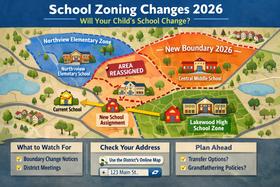
Learn more about zoning rules, how they impact schools and your child. This section offers information on the history of school zones, what they are, and how they work. Get information on who decides school boundaries and the impact those decisions have on the community.
GETTING STARTED
An overview of school designations, best practices for evaluating your options, and tips on choosing the best school for your child. Learn about Blue Ribbon, Vocational and Special Education schools. Get tips on finding the right school in a new neighborhood, city or state.
GRADING AND RANKING SCHOOLS
Explore the public school grading/ranking system, how it works and what it means. Get latest national rankings and read what critics of school grading have to say. Take a look at the nation鈥檚 top performing schools as ranked by U.S. News and Newsweek.
PUBLIC SCHOOL SAFETY
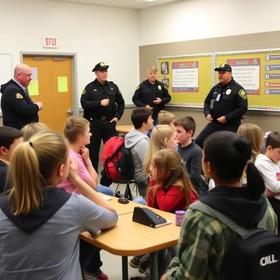
A comprehensive look at the safety of US public schools. Learn what schools are doing to combat gangs and drugs, prepare for natural disasters, and protect your children from predators. From web cameras to armed guards, see what tools public schools are employing to keep kids safe.
PUBLIC VS. PRIVATE SCHOOLS
A comparison of public and private schools, the pros and cons of each, and a look at the cost of getting a stellar education at both. Take a look at some of the most expensive schools, notable public school alumni, and learn more about 鈥減rivate鈥 public schools.