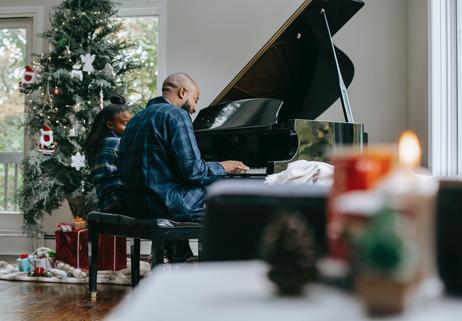
Songs such as 鈥淪ilent Night鈥� and 鈥淛oy to the World鈥� have long been considered staples of the annual holiday concerts performed by school bands, orchestras, and choirs. However, friends and family of students in New Jersey鈥檚 South Orange Maplewood School District no longer hear these songs at their annual holiday concerts. Across the nation, school districts are changing their policies, banning music with religious themes at school-sponsored events.
One parent in the South Orange Maplewood district has been engaged in a legal battle with the district since 2004 aimed at restoring Christmas carols to holiday concerts, but he has been unsuccessful thus far. Michael Stratechuck, the parent in question, filed his initial lawsuit against the school district in December 2004. In his initial complaint, Stratechuk argued that that district's policy banning music with religious themes (including instrumental versions of religious songs) from being played at the school's December concerts was a violation of the First Amendment's protection of freedom of worship.
Stratechuk appealed the district's court's ruling in favor of the school district, and the United States Appeals Court for the Third Circuit reheard the case in September 2009. Unfortunately for Stratechuk and his supporters, the appeals court recently issued a decision opinion affirming the lower court's ruling and declaring that the school district's policy does not violate the establishment clause of the First Amendment.
The Case in Favor of the Christmas Carols
Government Must Not be Hostile Towards Religion
that