Lark Elementary School serves 204 students in grades Prekindergarten-2.
The student-teacher ratio of 11:1 was lower than the Iowa state level of 14:1.
Minority enrollment was 5% of the student body (majority Black and Hispanic), which was lower than the Iowa state average of 29% (majority Hispanic).
School Overview
Grades Offered
Grades Prekindergarten-2
Total Students
204 students
Total Classroom Teachers
18 teachers
School Rankings
Student-Teacher Ratio
11:1
14:1
American Indian
1%
n/a
Asian
n/a
3%
Hispanic
1%
13%
Black
1%
7%
White
95%
71%
Hawaiian
1%
1%
Two or more races
1%
5%
All Ethnic Groups
Eligible for Free Lunch
43%
36%
Eligible for Reduced Lunch
10%
5%
School Statewide Testing
School District Name
Source: National Center for Education Statistics (NCES), IA Dept. of Education
Frequently Asked Questions
How many students attend Lark Elementary School?
204 students attend Lark Elementary School.
What is the racial composition of the student body?
95% of Lark Elementary School students are White, 1% of students are American Indian, 1% of students are Hispanic, 1% of students are Black, 1% of students are Hawaiian, and 1% of students are Two or more races.
What is the student-teacher ratio of Lark Elementary School?
Lark Elementary School has a student ration of 11:1, which is lower than the Iowa state average of 14:1.
What grades does Lark Elementary School offer ?
Lark Elementary School offers enrollment in grades Prekindergarten-2
What school district is Lark Elementary School part of?
Lark Elementary School is part of West Monona Community School District.
Recent Articles

Helping Children Overcome First-Week School Anxiety
Learn practical strategies to help children overcome first-week school anxiety, with expert-backed tips for parents and educators.
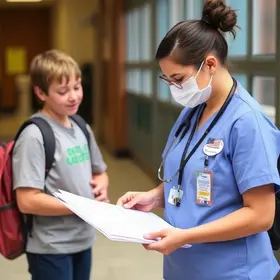
Public School Immunization Requirements 2026鈥�2027
Learn public school immunization and health requirements for 2026鈥�2027, including vaccines, exemptions, and state policy updates.

Public Schools in a Minute: 2026 Snapshot Guide
A clear 2026 snapshot of public schools in the U.S., including enrollment, funding, trends, and what families should know.