
For the 2026 school year, there is 1 public school serving 119 students in 67869, KS.
The top-ranked public school in 67869, KS is Plains Elementary School. Overall testing rank is based on a school's combined math and reading proficiency test score ranking.
Public school in zipcode 67869 have an average math proficiency score of 22% (versus the Kansas public school average of 31%), and reading proficiency score of 17% (versus the 33% statewide average). Schools in 67869, KS have an average ranking of 2/10, which is in the bottom 50% of Kansas public schools.
Minority enrollment is 75% of the student body (majority Hispanic), which is more than the Kansas public school average of 39% (majority Hispanic).
Best 67869, KS Public Schools (2026)
School
(Math and Reading Proficiency)
(Math and Reading Proficiency)
Location
Quick Facts
Rank: #11.
Plains Elementary School
(Math: 20-24% | Reading: 15-19%)
Rank:
Rank:
3/
Bottom 50%10
605 Mustang
Plains, KS 67869
(620) 563-7285
Plains, KS 67869
(620) 563-7285
Gr: 3-5 | 119 students Student-teacher ratio: 10:1 Minority enrollment: 75%
Frequently Asked Questions
What are the top-ranked public schools in 67869, KS?
The top-ranked public schools in 67869, KS include Plains Elementary School.
How many public schools are located in 67869?
1 public schools are located in 67869.
What is the racial composition of students in 67869?
67869 public schools minority enrollment is 75% of the student body (majority Hispanic), which is more than the Kansas public schools average of 39% (majority Hispanic).
Recent Articles

Helping Children Overcome First-Week School Anxiety
Learn practical strategies to help children overcome first-week school anxiety, with expert-backed tips for parents and educators.
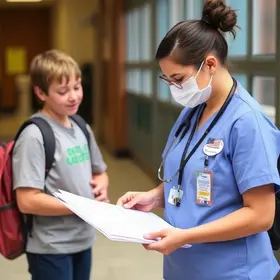
Public School Immunization Requirements 2026鈥�2027
Learn public school immunization and health requirements for 2026鈥�2027, including vaccines, exemptions, and state policy updates.

Public Schools in a Minute: 2026 Snapshot Guide
A clear 2026 snapshot of public schools in the U.S., including enrollment, funding, trends, and what families should know.