
For the 2026 school year, there is 1 public school serving 259 students in Sardis, GA.
The top-ranked public school in Sardis, GA is S G A Elementary School. Overall testing rank is based on a school's combined math and reading proficiency test score ranking.
Sardis, GA public school have an average math proficiency score of 32% (versus the Georgia public school average of 39%), and reading proficiency score of 27% (versus the 40% statewide average). Schools in Sardis have an average ranking of 4/10, which is in the bottom 50% of Georgia public schools.
Minority enrollment is 60% of the student body (majority Black), which is less than the Georgia public school average of 65% (majority Black).
Best Public Schools in Sardis, GA (2026)
School
(Math and Reading Proficiency)
(Math and Reading Proficiency)
Location
Quick Facts
Rank: #11.
S G A Elementary School
(Math: 30-34% | Reading: 25-29%)
Rank:
Rank:
4/
Bottom 50%10
1265 Charles Perry Ave
Sardis, GA 30456
(912) 569-4322
Sardis, GA 30456
(912) 569-4322
Gr: PK-5 | 259 students Student-teacher ratio: 10:1 Minority enrollment: 60%
Frequently Asked Questions
What are the top-ranked public schools in Sardis, GA?
The top-ranked public schools in Sardis, GA include S G A Elementary School.
How many public schools are located in Sardis?
1 public schools are located in Sardis.
What is the racial composition of students in Sardis?
Sardis public schools minority enrollment is 60% of the student body (majority Black), which is less than the Georgia public schools average of 65% (majority Black).
Recent Articles
School Vouchers 2026: Updated Pros and Cons
Explore school vouchers in 2026, including updated pros, cons, policy changes, and what families should know before choosing.
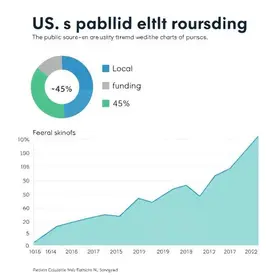
Education Funding in America (2026 Update)
A 2026 update on education funding in America, including federal, state, and local trends, equity gaps, and what parents should know.

What It Takes to Run a Public School Day-to-Day
Explore what it takes to run a public school daily, from leadership and staffing to budgeting, safety, and student support systems.